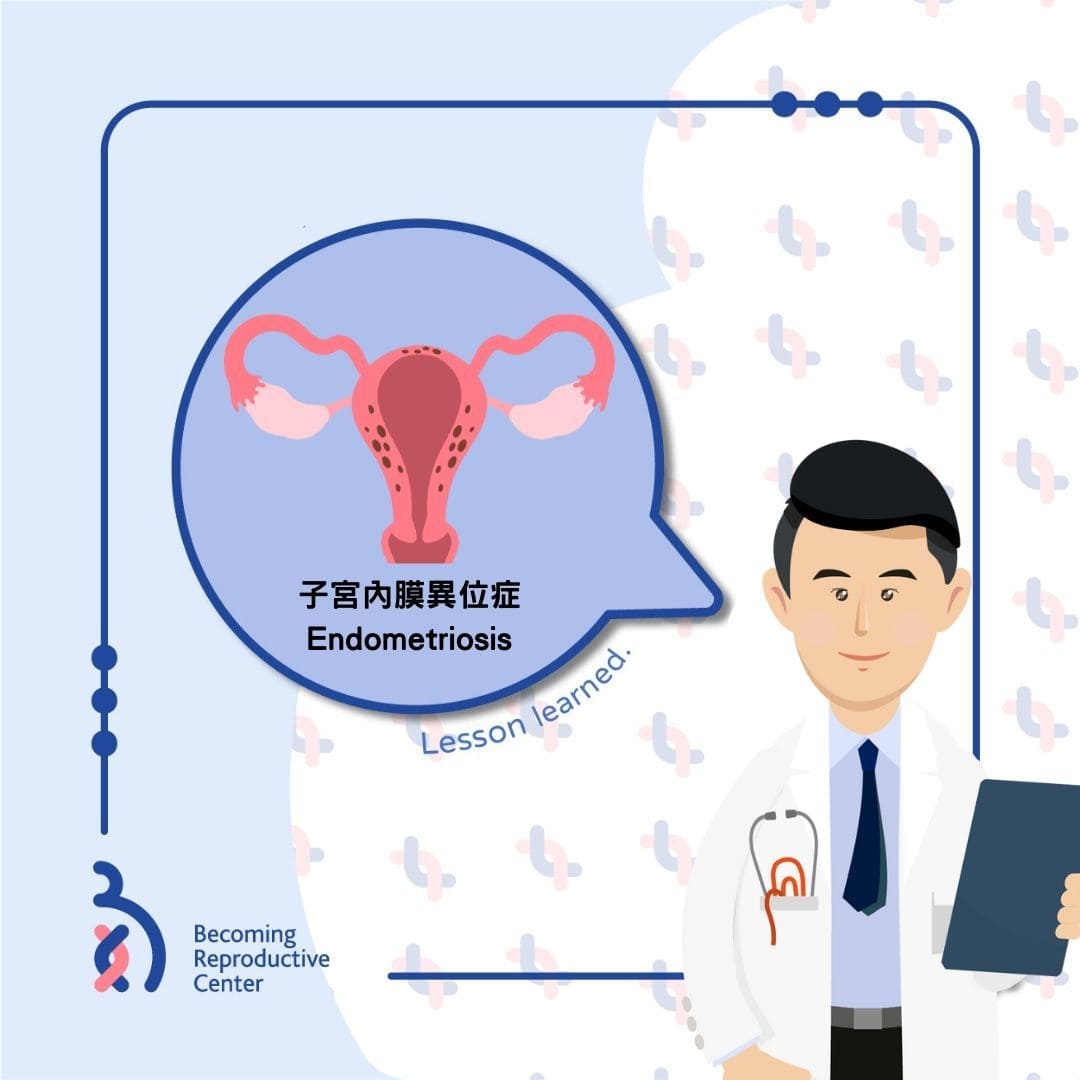
What Is Endometriosis?
Endometriosis is one of the most common gynecological conditions seen in gynecology clinics ‼️
📌 Endometriosis is a chronic and difficult gynecological disease. It refers to tissue with endometrial-like characteristics growing outside the normal uterine cavity, such as on the ovaries, peritoneum, intestines, or even the lungs.
It can cause pain, infertility, and a variety of clinical symptoms.
This ectopic endometrial-like tissue changes with the menstrual cycle, leading to repeated chronic inflammation and various symptoms and clinical presentations.
📌 Below is an introduction to common types of endometriosis and related symptoms ‼️
1️⃣ Adenomyosis
Adenomyosis refers to endometrial-like tissue invading the muscular layer of the uterus, causing a series of symptoms.
Clinical manifestations:
Pain: Menstrual pain gradually worsens, and painkillers often have limited effect.
Menstrual abnormalities: Heavy menstrual bleeding and prolonged periods.
Chronic pelvic pain: May occur outside the menstrual period.
Enlarged uterus: Patients often feel that the lower abdomen protrudes, even with weight loss, and may sometimes feel a hard lump in the lower abdomen.
Infertility: Changes in the uterine environment may affect embryo implantation and reduce uterine compliance.
2️⃣ Ovarian endometriosis, Endometrioma, commonly known as a chocolate cyst
Ectopic endometrial-like tissue forms a cyst filled with dark brown fluid inside the ovary. This fluid is mainly old menstrual blood, and because it appears dark brown, it is commonly called a chocolate cyst.
Clinical manifestations:
Pain: Pelvic pain often worsens around menstruation and may be accompanied by ovarian pulling pain.
Menstrual abnormalities: Menstrual cycles may become more irregular.
Infertility: It may affect follicle development and ovulation, leading to infertility.
Cyst rupture or torsion: May cause acute abdominal pain and requires urgent treatment.
3️⃣ Superficial peritoneal endometriosis
This type is mainly located on the surface of the pelvic peritoneum, with a depth of less than 5 mm.
Common affected areas include the rectouterine pouch, broad ligament of the uterus, and ovarian surface.
Clinical manifestations:
Pain: Menstrual pain is present but usually milder and can often be relieved with painkillers.
Pain during intercourse: Mild discomfort may occur but is usually not obvious.
Chronic pelvic pain: Less common, and pain is mostly related to menstruation.
Infertility: It may occur, but the risk is lower.
4️⃣ Deep Infiltrating Endometriosis, DIE
The lesions infiltrate deeper than 5 mm and affect deeper tissues or organs.
Common affected areas include the rectovaginal septum, posterior vaginal fornix, bladder, and intestinal wall.
Clinical manifestations:
Pain: Severe and persistent menstrual pain, with poor response to nonsteroidal anti-inflammatory drugs, NSAIDs.
Pain during intercourse: Significant pain during deep intercourse, especially when lesions are located in the rectovaginal septum or vaginal fornix.
Chronic pelvic pain: Common and may even occur outside the menstrual period.
Gastrointestinal symptoms: Such as pain during bowel movements, constipation, diarrhea, or even blood in the stool during menstruation.
Urinary symptoms: Such as painful urination, frequent urination, or even blood in the urine.
Infertility: Higher risk, mostly due to fallopian tube blockage or pelvic adhesions.
5️⃣ Scar endometriosis
This is commonly seen at cesarean section scars or other abdominal surgical scars.
Clinical manifestations:
Pain: Cyclic pain or swelling at the scar site, consistent with the menstrual cycle.
Some patients may have a subcutaneous lump, which may be mistaken for a scar hernia or lipoma.
👨🏻⚕️㊙️ Endometriosis can present in many different ways. Depending on the location of the lesions, symptoms and treatment strategies may vary.
If endometriosis is suspected, early diagnosis by a gynecologist is recommended.
A personalized treatment plan should be developed according to the specific lesion location to improve symptoms and quality of life.
For patients preparing for pregnancy, this issue should be handled especially actively and carefully.