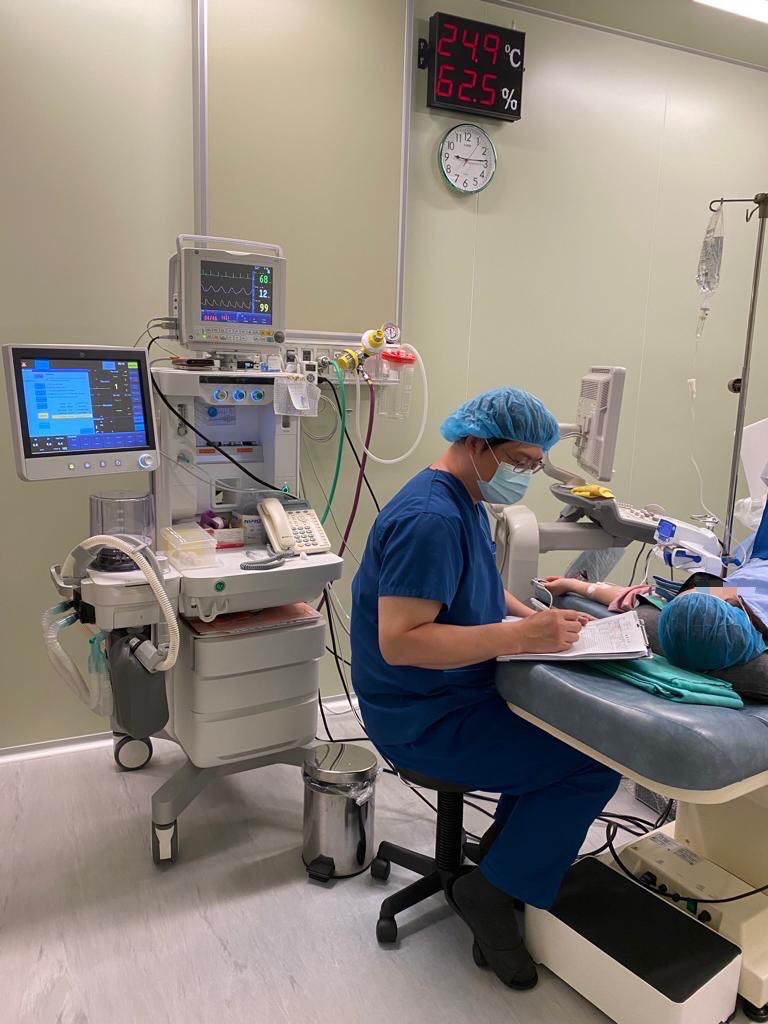
Egg retrieval can understandably make many people feel nervous. At our center, sedation anesthesia is used so that the egg retrieval procedure can be completed painlessly while you feel as though you are asleep.
Anesthesiologist Dr. Ko Ya-Chin explains:
As times have changed, more and more people choose to establish their careers and achieve professional advancement before starting a family. As a result, some may miss the more ideal reproductive years. In addition, stress, irregular eating habits, and insufficient or irregular sleep can further affect fertility. Many people therefore turn to advanced assisted reproductive technologies to help fulfill their dream of having children. Egg freezing has also become an option for those who wish to preserve the possibility of having biological children in the future.
Becoming Reproductive Center is a professional institution specializing in reproductive medicine. We understand the worries and anxiety patients may experience before surgery, and we place great importance on the comfort and safety of patients undergoing egg retrieval. During the procedure, an anesthesiologist administers intravenous anesthesia(sedation anesthesia), allowing the patient to remain fully asleep throughout the egg retrieval. This helps reduce anxiety and pain while also lowering the risk of puncture-related complications caused by involuntary stiffness or movement. In fact, providing comfortable anesthesia during surgery is important not only from the perspective of compassionate care, but also from the standpoint of safety.
What should you pay attention to before anesthesia?
1.Do not eat or drink anything(including water)for 8 hours before surgery, so that your stomach remains empty. This helps reduce the risks of vomiting, reflux, and aspiration pneumonia caused by stomach contents entering the lungs during anesthesia.
2.It is very important to understand your history of medication allergies. Some people know that they are allergic to certain medications but do not know the exact names of those drugs. This can be dangerous because it may increase the risk of severe anaphylactic shock. Therefore, we recommend that you clearly understand your own allergy history, record it in your medical records, and ensure that the information is properly documented.
3.If you regularly take any medications, be sure to inform the medical staff in advance. The doctor will determine whether the medication should be stopped or continued before surgery.
4.Before surgery, at least one finger on your left hand should be free of nail polish, artificial nails, or gel manicure. This is necessary so that oxygen saturation and vital signs such as “pulse,” “respiration,” “body temperature,” “blood pressure,” and “level of consciousness” can be accurately and smoothly monitored during the procedure.
5.If you have a history of special medical conditions or previous anesthesia experiences, be sure to inform the anesthesiologist before surgery. The doctor will adjust the type and dosage of anesthetic medication according to your individual condition.
By following the precautions above and preparing properly for surgery, anesthesia-related risks can be reduced, allowing you to wake safely after the procedure and receive a clear explanation from the doctor regarding the surgical process and results.
At Becoming Reproductive Center, Director Li places great emphasis on medical quality. In addition to pursuing excellent treatment outcomes, the center is committed to providing safe and high-quality medical services. We believe that everyone who chooses Becoming Reproductive Center will be able to feel the passion, dedication, and kindness of our team.