Yun-I Fertility Center Promotes “Egg Health, Pregnancy Care, and Mind-Body Wellness” to Build a Fertility-Friendly Body
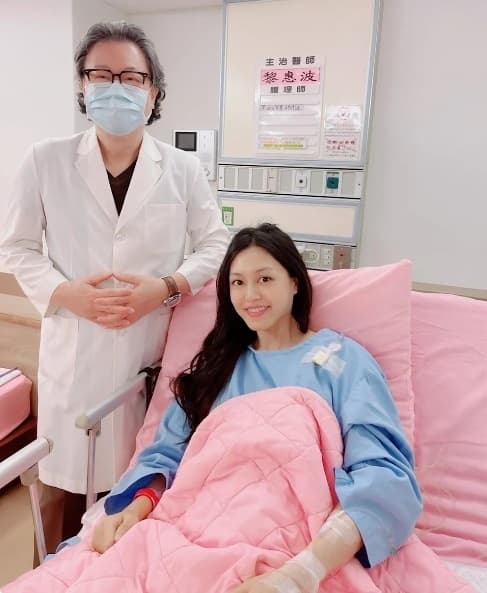
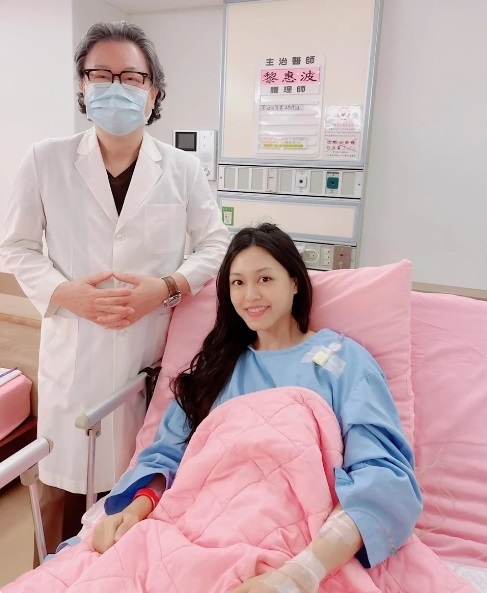
Renowned physician Dr. Hui-Po Li successfully performed IVF embryo transfer for former news anchor Hui-Ni Kuo during the pandemic. With successful pregnancy care, she safely gave birth yesterday to a Cancer baby boy.
Yun-I Fertility Center promotes “egg health, pregnancy care, and mind-body wellness” to build a fertility-friendly body.
Taiwan’s fertility rate is low and ranks near the bottom globally. In this era of late marriage, late childbearing, and declining birth rates, many couples choose artificial insemination or IVF to build a complete family.
Former well-known news anchor Hui-Ni Kuo fulfilled her wish of having a second child before turning 40.
During the pandemic in the second half of last year, she actively focused on egg health and underwent IVF treatment.
Following the egg health and pregnancy care recommendations of Dr. Hui-Po Li, director of Yun-I Fertility Center, she chose Yun-I Fertility Center for both her IVF treatment and prenatal checkups.
On July 5, she successfully gave birth to her second child and officially became a mother of three.
Yun-I’s one-stop service, combined with the center’s AI intelligent embryo incubator and single embryo transfer, SET, technology, not only greatly improves IVF success rates but also gives all mothers-to-be greater peace of mind.
“Six years ago, when I naturally conceived my twin girls, Dr. Li was already my benefactor. It was also Dr. Li who encouraged us at that time, so my husband and I decided to take the risk of giving birth to our twin daughters despite the possible risks during pregnancy,” Kuo said.
Having already given birth to twins, she originally thought she was someone who could conceive easily. However, after age 35, she discovered that her chances of pregnancy had dropped significantly.
After Dr. Li’s recommendation, she and her husband decided to try natural conception while also proceeding with assisted reproduction.
“Now I am truly grateful to my past self for having the courage to go for it!”
Dr. Hui-Po Li, director of Yun-I Fertility Center, stated:
“Carefully culturing and selecting the single highest-quality embryo for transfer is safer than transferring multiple embryos at once.”
Because IVF treatment is costly, many doctors and patients tend to prefer transferring multiple embryos at one time in hopes of increasing the chance of successful pregnancy.
However, transferring multiple embryos at once can easily lead to multiple pregnancy.
This not only increases the risks during pregnancy and delivery, but may even force patients to face the difficult decision of fetal reduction.
Kuo shared that Dr. Hui-Po Li’s many years of experience, together with Yun-I’s advanced and comprehensive equipment, allowed single embryo transfer to still achieve a high pregnancy rate.
These were also the reasons she chose Yun-I at the beginning.
“Dr. Li always encouraged me by saying that one good embryo is enough. That way, the baby can safely stay in the uterus until full term!”
The three major care concepts advocated by Dr. Hui-Po Li: egg health, pregnancy care, and mind-body wellness
In addition, to ease the crisis of declining birth rates, the government began implementing an IVF treatment subsidy program on July 1 this year.
The subsidy conditions are that women under 35 should transfer one embryo at a time, while women aged 36 and above may transfer at most two embryos at a time.
The goal is to reduce maternal and infant risks caused by multiple pregnancies and lower the medical resources and costs required to care for premature newborns.
Director Hui-Po Li of Yun-I Fertility Center has long advocated single embryo transfer, SET, technology, which aligns with the subsidy application conditions.
In addition, during the pandemic, the lifestyles of office workers have changed.
Yun-I Fertility Center also promotes three major care strategies: egg health, pregnancy care, and mind-body wellness.
The center pays comprehensive attention to the physical and mental health of those trying to conceive, hoping to help more couples successfully achieve pregnancy.
Kuo added that many women hear all kinds of folk remedies during the preparation-for-pregnancy period, such as eating this or supplementing that.
In fact, the best approach is to maintain a stable daily routine and relax.
“During the treatment, just supplement inositol and folic acid properly, follow the doctor’s instructions, and proceed according to the treatment plan!”
During pregnancy, as local pandemic cases increased, Kuo originally had prenatal checkups at both Yun-I and a teaching hospital. In the end, she chose to return directly to Yun-I.
Because Dr. Li himself could provide prenatal checkups and delivery care, it was convenient to switch medical institutions directly during the pandemic.
“Because Yun-I uses patient flow separation and appointment-based visits, after scheduling an appointment, I basically would not encounter other patients during my consultation time. The medical staff and administrative team had also all been vaccinated, which made me feel very safe. It further confirmed that choosing Yun-I was truly the right decision.”
“It seems that not many of my friends have three children nowadays. Although the process involved some hesitation and hardship, and my friends said I already had two children and still went for egg retrieval, they really admired my determination. But actually, I simply made the decision and put it into action.”
She also encouraged other couples facing infertility. Although the journey to having a child may inevitably involve some hardship, the final result is still joyful and worthwhile.
“Taiwan has the lowest fertility rate in the world, but its IVF implantation success rate ranks second in the world. With such excellent technology and now government subsidies, fulfilling the dream is not difficult!”
The three major care concepts of “egg health, pregnancy care, and mind-body wellness”:
Egg health:
A healthy and beautiful follicle is ideally about 18–23 mm in size.
To cultivate high-quality eggs, those preparing for pregnancy are advised to supplement nutrients such as folic acid, inositol, vitamin D3, and Q10 to help slow ovarian aging.
Pregnancy care:
During pregnancy, appropriate supplementation of iron, folic acid, calcium, vitamins, iodine, and dietary fiber is recommended.
Food choices should focus on fresh and natural ingredients. Avoid raw or cold foods, greasy foods, spicy foods, irritating foods, and alcohol.
If morning sickness affects appetite, eating small and frequent meals can help.
In addition, if there was an exercise habit before pregnancy, the same type of exercise should be continued after pregnancy. However, exercise for weight loss is not appropriate during pregnancy.
Mind-body wellness:
In addition to physical care, mental health also requires attention.
Try to reduce factors that make pregnant women feel tired or lead to negative thinking.
At the same time, it is important to find a professional assisted reproduction and obstetric team that can communicate well, provide consultation, and share the journey with you.
In addition, if work is too busy or stressful, it is recommended to discuss with your partner whether changes should be made to maintain balance among work, family, and life.
The Health Promotion Administration expands assisted reproduction subsidies to women under 45 starting July 1:
As late marriage and late pregnancy have become common reproductive patterns in Taiwan, according to 2019 data, the average age at first marriage was 32.6 for men and 30.4 for women.
Among women, the highest childbirth age group was 30–34, accounting for 36.0%, followed by 35–39, accounting for 25.5%.
Therefore, many couples often face the difficulty of “wanting to have a child but being unable to conceive.”
For this reason, the Health Promotion Administration expanded public fixed-amount IVF subsidies starting July 1.
As long as at least one spouse holds a Taiwanese national ID card, the wife undergoing treatment is under 45 years old, and the couple meets the indications for infertility subsidy, they may receive government subsidy support.
Yun-I wishes your dreams come true!