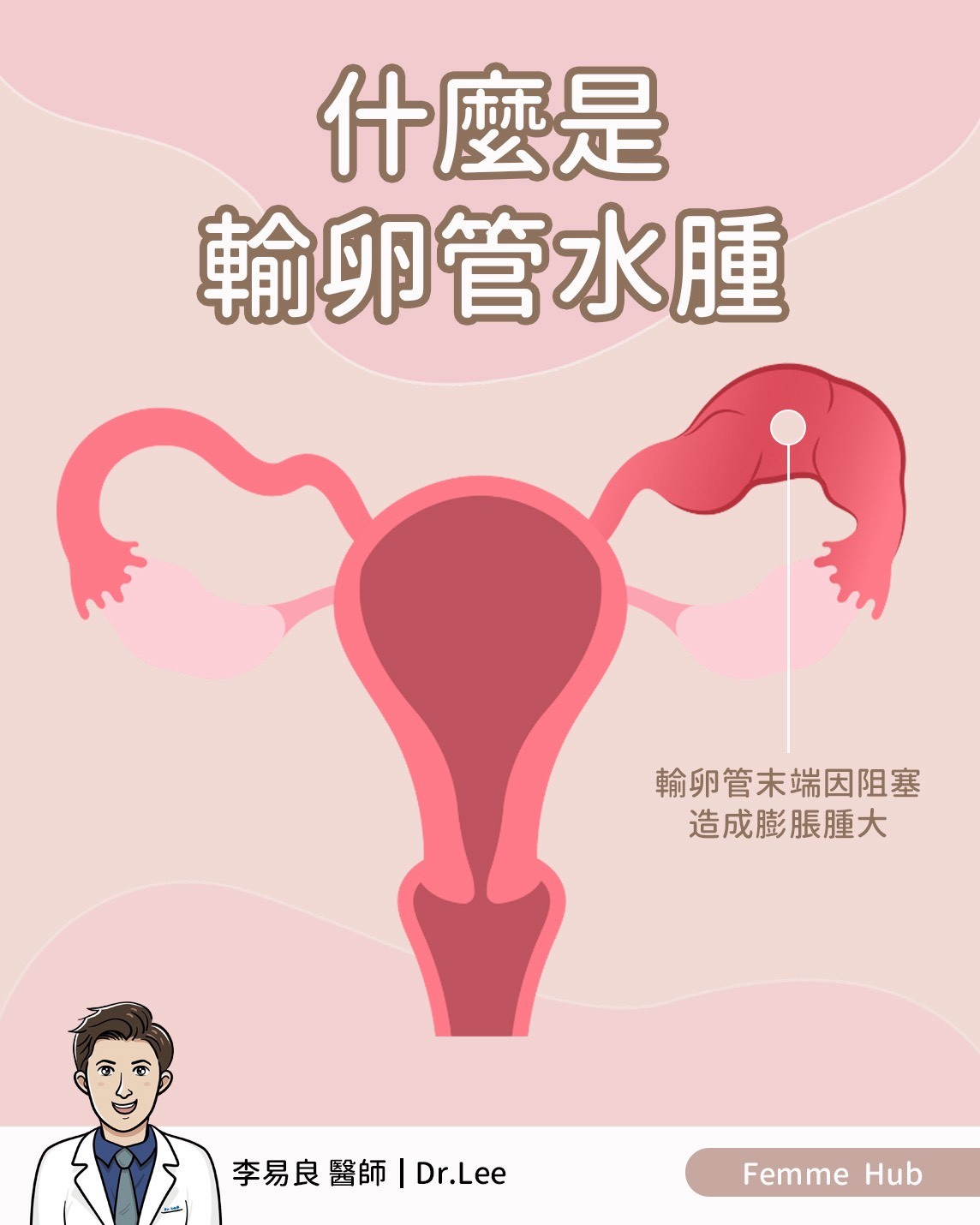
👨🏻⚕ What Is Hydrosalpinx? Part 1
The fallopian tubes are an important part of the female reproductive system. They are responsible for transporting the egg, allowing the egg and sperm to meet, and helping the fertilized egg enter the uterus for implantation.
Hydrosalpinx refers to a condition in which the end of the fallopian tube becomes blocked, causing fluid to accumulate and the tube to swell.
It is like a water pipe with its outlet sealed shut — the fluid inside cannot drain out, causing the tube to expand and enlarge.
🔍 Why does hydrosalpinx occur?
・The most common causes of hydrosalpinx include:
・Pelvic infection, commonly associated with sexually transmitted infections such as chlamydia or gonorrhea
・Endometriosis
・Adhesions after previous fallopian tube surgery or pelvic surgery
・Infection after intrauterine procedures
・Pelvic tuberculosis, which is less common
These factors may damage the lining of the fallopian tube, cause narrowing, or even complete blockage, leading to fluid accumulation that cannot drain properly.
🤒 What are the symptoms?
Most people actually have no obvious symptoms, but this condition can affect pregnancy.
・Some women may experience:
・Dull lower abdominal pain or occasional cramping pain
・Increased vaginal discharge
・Pain during intercourse
・Infertility, which is often the first sign
・Incidental discovery during hysterosalpingography, HSG, or ultrasound examination
Hydrosalpinx is a common but often overlooked gynecological condition that may quietly affect the chance of pregnancy.
If you are experiencing infertility, or if you have a history of pelvic surgery or infection, it is recommended to discuss appropriate examination and further management with a gynecologist.
BRCIVF wishes your dreams come true!